

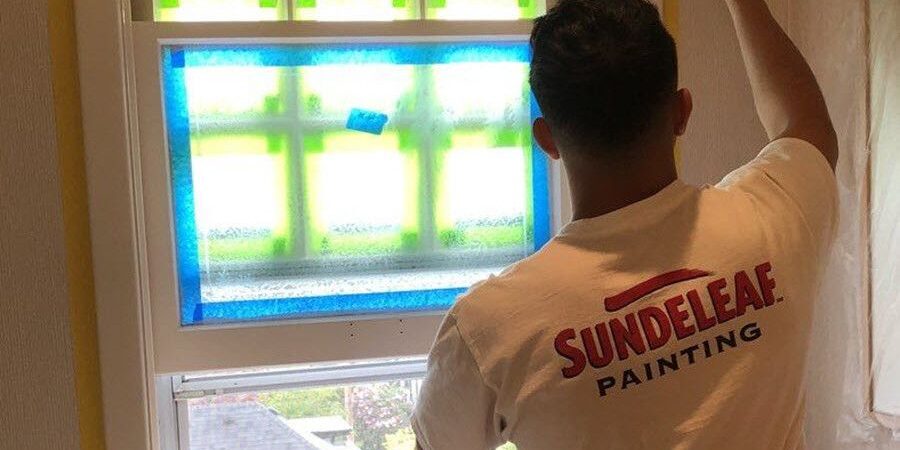
Historic homes have unique architectural and stylistic details that give them their charm. However, these details also require careful consideration when restoring or repainting the house. At Sundeleaf Painting, we are a family-owned business with decades of experience providing historic house painting in Portland, Oregon. Here, we explore how we utilize period-finish painting and follow historic best practices to ensure a cohesive look.
Key Takeaways
- Historic homes require careful restoration and repainting that consider the period finish, style, and architectural design of the house.
- A period finish is the paint, woodworking, or coating that is used in a historic home to convey the architectural style of the time it was built.
- Hand-brushing is often a better alternative to spraying in historic homes because it helps match the texture and period finish.
- Painters evaluate the condition of the paint before starting restoration by looking for old finishes that need to be stripped, testing for lead paint, and more.
- Sundeleaf Painting provides high-end interior and exterior painting services for historic homes in Portland, Oregon.
What Is a Period Finish?
In historic homes, the painting, woodworking, and other interior details are often completed in a specific architectural style, such as Victorian or Colonial. This is known as a period finish. It helps convey historical accuracy and highlight the distinctive features that make historic homes unique.
When looking to restore your historic home, you should choose a painter who is skilled in period-finish painting. The last thing you want is your historic woodwork or trim to be ruined or look inauthentic next to the other ornate details of your home. Therefore, choosing an experienced painter like Sundeleaf Painting is your best bet to maintain the period finish.
When Is Hand-Brushing Better Than Spraying?
To emulate a period finish in historic homes, hand-brushing is often the best technique. Rather than painting with a roller or sprayer that covers a large area fast, brushwork provides intricate strokes that better support older home character, especially on trims, shutters, doors, and built-ins. Hand-brushing allows the painters to imitate the texture and aging that is present on original historic features. It is also easier to touch up if damage occurs later.
Many historic homes also have wallpaper, plaster, or other delicate interior surfaces that need to be carefully protected during restoration. Using spraying techniques can potentially damage these surfaces, so hand-brushing is often the better choice when protection is key. Spraying can also be messy when it is done on-site. If there are removable features like cabinets or shutters that would be better off sprayed than hand-painted, we will bring them to our spray shop to be meticulously sprayed without risking damage to any historic features.
How Do Painters Evaluate Existing Paint Before Recoating?
Before our painters start restoring or repainting a historic home, they will assess the paint’s current structure and condition. They will:
- Examine the colors to determine custom color-matching
- See if old finishes need to be stripped (if the coating is sound, it’s not typically removed)
- Check for excessive build-up of oil-based trim, which will be removed to restore definition
- Test for lead-based paint and see if removal is warranted
- Determine if primer is needed for non-oil-based (Alkyd) finishes
During this evaluation process, our team can determine the best path for repainting and restoring your historic home safely and properly, while adhering to historic best practices.
Choose Sundeleaf Painting for Historic Home Painting
If you’re looking for historic house painting in Portland, Oregon, look no further than Sundeleaf Painting. We provide interior and exterior painting services for historic homes in the area, utilizing craftsmanship, careful containment, and finish-matching expertise. To request a consultation for period-finish painting near you in Portland, contact us today.
Frequently Asked Questions About Period-Finish Painting
What is a period finish in a historic home?
A period finish in a historic home is a surface treatment, like paint or stain, that matches the architectural era when the home was constructed.
Why do painters hand-brush historic trim instead of spraying it?
Painters often hand-brush historic trim instead of spraying it to replicate the period finish and texture, avoid messy spraying, and protect the wallpaper and other surrounding features. It also allows for easier touch-ups later.
When should old paint be stripped from historic trim?
Old paint should be stripped from historic trim when the finish is damaged by cracking or peeling, or the detail is masked by thick layers. If the paint is stable, spot-scraping, sanding, and repainting are often sufficient.
How do painters protect wallpaper during trim painting?
To protect wallpaper during trim painting, painters often use a low-adhesive tape that is put up over the wallpaper for a very short time while painting and then carefully removed.
How can homeowners preserve the character of an older Portland home?
To preserve the character of an older Portland home, hire an experienced painting and restoration team that knows how to emulate period finishes, maintain unique details, and protect the historic charm of your home.
What are the lead paint risks in older homes?
Many homes built before 1978 have been painted with lead paint, which can be dangerous. If the paint is intact, it typically doesn’t pose a big threat, but peeling, chipping, or friction-damaged paint creates toxic dust that requires careful removal.
How long does historic trim painting usually take?
The timeline for historic trim painting will vary based on the amount of trim, the method used, whether color-matching is needed, and other factors. However, it can take two to five times longer than modern trim because of the intricacy and details required.